HIV Care & PrEP
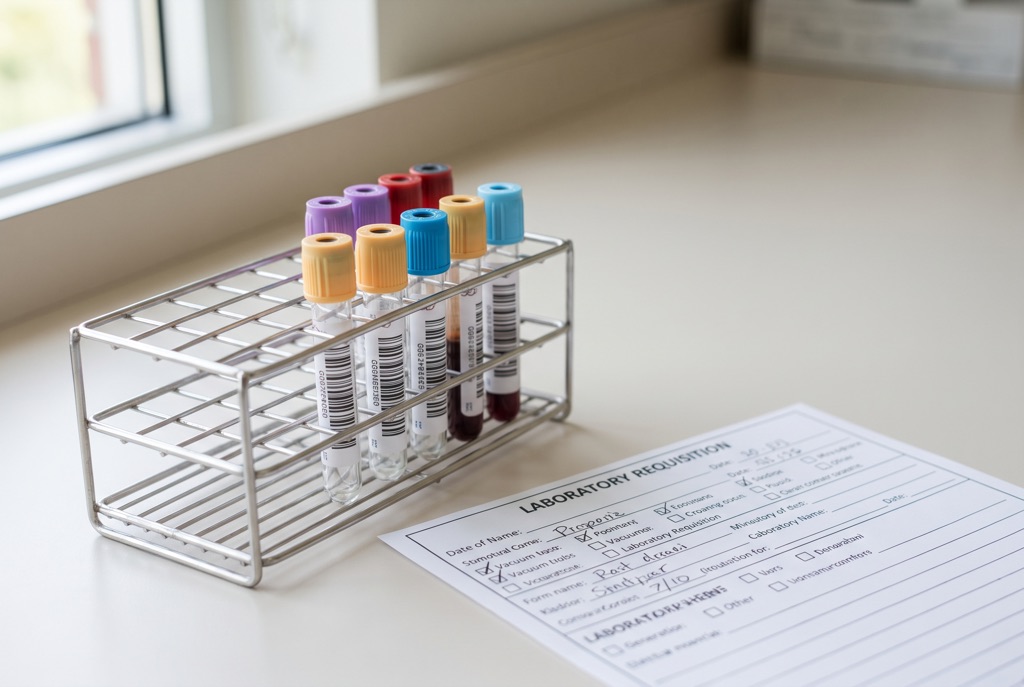
HIV care covers two things: treatment for people living with HIV, and PrEP (pre-exposure prophylaxis) to prevent HIV in people who do not have it, per DHHS/OARAC Antiretroviral Guidelines. Antiretroviral therapy (ART) suppresses viral load to undetectable levels, at which point HIV is not sexually transmissible -- the CDC's Undetectable = Untransmittable (U=U) finding. Care is confidential and judgment-free.
Symptoms
Acute HIV infection can cause fever, sore throat, rash, swollen lymph nodes, or muscle aches two to four weeks after exposure, though many people have no symptoms at all. Chronic HIV is often symptom-free for years, which is why routine testing matters regardless of symptoms.
Causes and risk
HIV spreads through blood, semen, vaginal fluid, rectal fluid, and breast milk, most often through condomless sex or shared injection equipment. Risk is higher with multiple partners, a partner of unknown or positive HIV status, or a history of other STIs.
How it is evaluated
Universal screening is recommended for ages 15-65, using the CDC's antigen/antibody-first testing algorithm, with HIV RNA testing added when acute infection is suspected, per USPSTF screening recommendations.
Treatment
Immediate ART is recommended for everyone diagnosed with HIV to reach viral suppression. PrEP is a USPSTF "A" recommendation, per USPSTF PrEP guidance, available as daily oral pills or long-acting injectable options.
When to seek care
A possible HIV exposure within the last 72 hours is time-sensitive -- post-exposure prophylaxis (PEP) is most effective started as soon as possible within that window, per CDC clinical guidance. Contact a clinician or emergency department immediately rather than waiting for a routine appointment.