Type 2 Diabetes
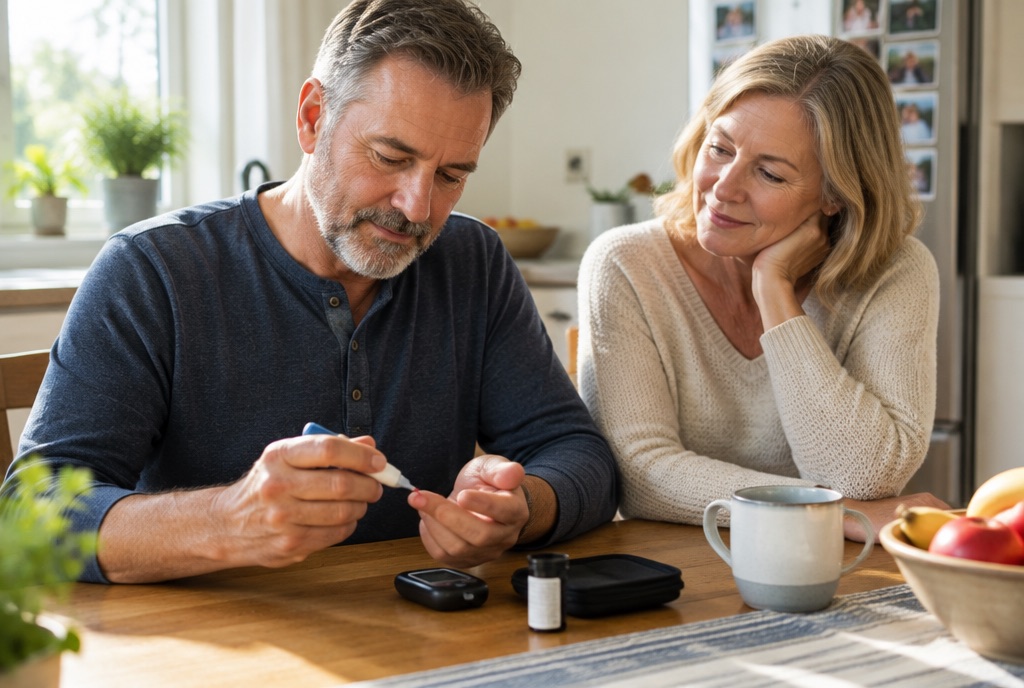
Type 2 diabetes is diagnosed by an A1c of 6.5% or higher, a fasting glucose of 126 mg/dL or higher, a 2-hour OGTT of 200 mg/dL or higher, or a random glucose of 200 mg/dL or higher with symptoms, per the ADA Standards of Care in Diabetes-2026. It accounts for roughly 90-95% of all diabetes, and about 1 in 6 U.S. adults now has it, per a 2025 JAMA review.
Symptoms
Increased thirst and urination, unexplained weight loss, fatigue, blurred vision, and slow-healing wounds are the classic symptoms, but many people have none for years before diagnosis, which is why screening does not wait for symptoms to appear.
Causes and risk
Excess weight, inactivity, family history, prior gestational diabetes, and certain ethnic backgrounds all raise risk. The ADA recommends universal screening starting at age 35, earlier for people with overweight or obesity plus another risk factor, repeated at least every 3 years (annually if you have prediabetes).
How it is evaluated
Diagnosis and monitoring rely on A1c, fasting glucose, and sometimes an oral glucose tolerance test, along with kidney function and lipid panels since diabetes management is inseparable from cardiovascular and kidney risk.
Treatment
Metformin remains a common first-line agent, but the ADA 2026 pharmacologic treatment guideline recommends a GLP-1 receptor agonist and/or SGLT2 inhibitor independent of A1c for anyone with atherosclerotic cardiovascular disease, high cardiovascular risk, heart failure, or chronic kidney disease -- SGLT2 inhibitors are preferred specifically for heart failure and CKD. Lifestyle changes (nutrition, activity, weight management) remain part of every treatment plan, and A1c targets are individualized rather than uniform.
When to seek care
Diabetic ketoacidosis (nausea, vomiting, abdominal pain, rapid breathing, confusion, fruity-smelling breath) and hyperosmolar hyperglycemic state are medical emergencies, per current consensus guidance. SGLT2 inhibitor users should also know about euglycemic DKA, which can occur with a normal-looking glucose reading, and basal insulin should never be stopped during illness without guidance.