Blog
Written by the clinician who treats it
118 articles. Every clinical claim links to peer-reviewed work or a regulatory body, and where the evidence is thin it says so.

Lung Cancer Screening: Do You Qualify, and What Happens Next
Annual low-dose CT scans can lower lung cancer deaths in people with a heavy smoking history. Here is who qualifies and what the scan actually involves.

Warts: What Clears Them and What Does Not
Most warts go away on their own, but treatment can help if one hurts or spreads. See what the evidence says about salicylic acid, freezing, duct tape, and when to get checked.

Tirzepatide vs. semaglutide: what the head-to-head trial shows
A 72-week trial compared tirzepatide and semaglutide directly. Here is what it found on weight loss, side effects, and cost, and how to choose between them.

Enlarged Prostate (BPH): Symptoms, Causes, and Treatment Options That Work
Frequent urination and weak flow after 50 are often BPH, not cancer. Here is what causes it and which treatments actually help.

Berberine for Blood Sugar and Cholesterol: What the Evidence Actually Shows
Berberine is often called nature's Ozempic online. Here's what clinical trials actually show about blood sugar, cholesterol, and side effects.

How SSRIs Work and What to Expect When You Start One
A clear look at how SSRIs affect your brain, what the first weeks feel like, and how to tell normal adjustment from a problem.

Hidradenitis Suppurativa: Why Painful Bumps Keep Coming Back and What Treats Them
Recurring painful bumps in the armpits or groin may be hidradenitis suppurativa, not a boil. Here is how it is diagnosed and which treatments the evidence supports.

Mildly High TSH: Does Subclinical Hypothyroidism Need Treatment?
A slightly high TSH with a normal free T4 is common. Here is when treatment helps, when a recheck is the better first step, and what the trials show.

Why Am I So Tired? Thyroid, Testosterone, and Other Causes in Men
Fatigue in men often gets blamed on low testosterone, but thyroid problems, sleep apnea, depression, and other treatable causes often get missed too.

Creatine Beyond the Gym: What the Evidence Actually Supports
Creatine isn't just for lifters. Here's what the research actually shows about muscle, aging, mood, and brain health -- and where it's still thin.

Social Anxiety Disorder: How It's Diagnosed and Treated
Social anxiety disorder is more than shyness. Here's how clinicians diagnose it, why it often goes untreated for years, and what actually helps.

Osteoporosis Screening: Who Needs a Bone Density Test, and When
A practical guide to who needs a bone density (DEXA) scan, at what age screening should start, and how Medicare and most insurance plans cover it.

Chronic Hives: Why They Keep Coming Back and What Actually Helps
Hives that last more than six weeks are common and treatable. Learn what causes them, why triggers are often unclear, and how treatment steps up from antihistamines.

GLP-1 Medications: What the Evidence Shows
What large trials show about GLP-1 and GIP/GLP-1 weight loss medications: how much weight people lose, heart benefits, what happens after stopping, and the tradeoffs.

How to Read a Testosterone Lab Panel: Total, Free, and What They Mean
Total testosterone, free testosterone, SHBG. Here is what each number on your lab report actually measures and why context matters more than one result.

Should You Wear a Continuous Glucose Monitor If You Don't Have Diabetes?
Continuous glucose monitors are now sold over the counter. Here's what the research actually shows about wearing one if you don't have diabetes.

Adult ADHD: How Diagnosis and Treatment Actually Work
Adult ADHD often looks nothing like the childhood version. Here's how a real diagnosis actually works, and what treatment options really involve.

Colon Cancer Screening: When to Start and How to Choose a Test
Colorectal cancer is now diagnosed more often before 50. Here is when to start screening, which tests exist, and how to choose the right one.

Adult Acne: Why It Happens and How Treatment Differs From Teen Acne
Adult acne is common, especially in women, and often needs a different approach than teen breakouts. Here's why it happens and what actually treats it.

Type 2 Diabetes Medications Beyond GLP-1 Drugs: What the Evidence Shows
Metformin, SGLT2 inhibitors, and other type 2 diabetes medications each work differently. Here is what the evidence says about how they compare.

Is Testosterone Therapy Safe for Your Heart? What the Research Actually Shows
TRT once carried a cardiovascular warning label. Here's what the newest, largest trial found, and who still needs extra caution.

Food Sensitivity Tests: What the Evidence Actually Shows
IgG food sensitivity panels are popular in functional medicine, but the research is mixed. Here's what testing can and can't tell you about your symptoms.

Obsessive-Compulsive Disorder: What It Actually Looks Like and What Helps
OCD is more than tidiness or double-checking locks. Here is how it's actually diagnosed, and what SSRIs and ERP therapy can do.

Testosterone Replacement Therapy After 40: What the Evidence Actually Shows
TRT is heavily marketed to men over 40. Here is what large trials actually found about benefits, heart safety, fertility, and prostate risk.

Understanding Your Cholesterol Panel: What the Numbers Actually Mean
LDL, HDL, triglycerides, non-HDL cholesterol -- your lipid panel has more than one number. Here's what each one tells your doctor about your heart risk.

Rosacea: What Triggers It and What Actually Treats It
Rosacea causes facial redness and flare-ups triggered by sun, heat, alcohol, and stress. Here's what actually calms it, from topicals to oral treatment.

Erectile Dysfunction: What the Evidence Actually Supports
Many ED supplements make bold claims with little evidence behind them. Here is what research actually supports, and why insurance covers real treatment.

Is It Your Thyroid? Symptoms, Testing, and Treatment Explained
Fatigue, weight changes, and mood shifts can all trace back to your thyroid. Here is how thyroid disease gets diagnosed, tested, and treated.

Varicocele and Male Fertility: What to Know
Varicoceles are common and often asymptomatic, but they are also the most frequently identified correctable cause of male infertility.

Building a Health Plan Grounded in Your Own Labs
A health plan built around your actual numbers, tracked over time, is more useful than one built around generic recommendations alone.

Does Insurance Cover Therapy and Psychiatric Medication?
Mental health coverage is legally required to match medical coverage, but real access still depends on a few practical factors worth understanding.

Does Insurance Cover Your Annual Physical? What to Know
Preventive visits and problem-focused visits are billed differently, and understanding the distinction avoids surprise costs after an annual physical.

When a Mole or Skin Tag Needs a Closer Look
Moles and skin tags are usually harmless, but knowing the specific features that separate a routine finding from one worth evaluating matters.

Reading Your Thyroid Labs: TSH, Free T4, and What They Mean
A thyroid panel produces several distinct numbers, each measuring something different. Here is how to actually read them together.

Low Libido in Men: Causes Beyond Testosterone
Low testosterone is the first thing low libido gets attributed to, but several other common, treatable causes are just as likely.

Histamine Intolerance: What It Is and How It's Actually Diagnosed
Histamine intolerance is a real but often misunderstood condition, frequently confused with food allergy or misdiagnosed based on unreliable testing.

Panic Disorder vs Generalized Anxiety: How They Differ
Panic disorder and generalized anxiety disorder are both anxiety conditions, but they present and get treated differently in meaningful ways.

Understanding Your A1C and What the Number Actually Means
A1C is one of the most commonly ordered labs, and also one of the most commonly misunderstood. Here is what it actually measures and why.

Fungal Skin Infections: Ringworm, Athlete's Foot, and What Clears Them
Fungal skin infections are common, contagious, and respond well to the right treatment, but only when it is used correctly and long enough.

What Happens When You Stop a GLP-1 Medication
Stopping a GLP-1 medication affects more than weight. Here is the fuller physiological timeline, beyond just appetite and weight regain.

Hair Loss in Men: What Treatments Actually Have Evidence
Male hair loss has two treatments with genuinely strong evidence behind them, and a lot of other marketed options with much thinner support.

Cortisol and Chronic Stress: What Actually Happens in the Body
Chronic stress produces real, measurable physiological changes through cortisol. Here is what the evidence actually supports, separate from the hype.

Adult ADHD and Anxiety: How They Overlap and Differ
ADHD and anxiety frequently co-occur and can mask each other. Telling them apart changes which treatment actually addresses the root problem.

Same-Day Sick Visits: What Telehealth Can and Cannot Handle
Same-day telehealth visits work well for a specific, well-defined set of conditions, and knowing the boundaries saves time in an actual emergency.

Contact Dermatitis: Finding the Trigger Before Treating the Rash
Contact dermatitis keeps coming back until the actual trigger is identified. Here is how that identification process actually works.

Hashimoto's Thyroiditis: What the Evidence Says About Treatment
Hashimoto's is the most common cause of hypothyroidism in the US. Here is what the evidence actually supports for managing it.

Sleep, Stress, and Testosterone: The Connections That Matter
Poor sleep and chronic stress measurably lower testosterone, sometimes more than people realize before addressing the hormone directly.

Adrenal Fatigue: What Is Real and What Is Not
Adrenal fatigue is a popular explanation for chronic exhaustion, but it is not a recognized medical diagnosis. Here is what the evidence actually supports.

Managing ADHD Without Stimulants: What the Options Are
Stimulant medication is first-line for ADHD, but it is not the only option, and non-stimulant approaches have real evidence behind them.

How to Get the Most Out of a Telehealth Primary Care Visit
Telehealth visits work as well as in-person for most primary care needs, but a few specific habits make them meaningfully more effective.

Seborrheic Dermatitis and Dandruff: What Is Actually Going On
Dandruff and seborrheic dermatitis are related but not identical, and the evidence points to a specific, manageable cause behind both.

PCOS and Metabolic Health: An Evidence-Based Approach
PCOS is often framed as a reproductive condition, but its metabolic effects are just as central to how it should be evaluated and managed.

Does Insurance Cover Testosterone Therapy? What to Know Before You Start
Coverage for testosterone therapy depends heavily on documented diagnostic criteria being met first. Here is what that actually requires.

IV Therapy vs Oral Supplements: When Each Makes Sense
IV nutrient therapy is often marketed as universally superior to oral supplements. The evidence supports a narrower, more specific use case.

When to Consider Medication vs Therapy for Anxiety
The choice between starting with therapy, medication, or both for anxiety depends on a few specific factors, not a fixed rule.

Fatigue That Will Not Go Away: How Doctors Investigate It
Persistent fatigue rarely has one obvious cause. Here is the actual stepwise process a primary care workup follows to find it.

Hyperpigmentation After Acne: What Actually Fades It
The dark marks left after acne heals are not scars, and they respond to a specific, evidence-supported set of treatments over time.

Does Insurance Cover GLP-1 Weight Loss Medication?
Coverage for GLP-1 medications varies significantly by plan and diagnosis. Here is what actually determines whether your plan covers it.

Prostate Health Screening: What to Expect in Your 40s and 50s
Prostate cancer screening guidance has shifted toward shared decision-making. Here is what that actually means and when the conversation should start.

The Gut-Hormone Connection: How Digestive Health Affects Metabolism
Gut health and hormonal balance are more connected than they are usually treated as being. Here is what the evidence actually supports.

Sleep and Mental Health: Breaking the Cycle
Poor sleep and mental health symptoms reinforce each other in both directions. Here is how that cycle works, and where to actually intervene.

Vitamin D Testing and Supplementation: What the Evidence Says
Vitamin D testing and supplementation are common, but the evidence supporting routine testing and high-dose supplementation is more limited than assumed.

Skin Cancer Screening: Warning Signs and When to Get Checked
Skin cancer is one of the most treatable cancers when caught early. Here is what to actually look for and when a mole needs a professional look.

Keeping Weight Off After GLP-1 Therapy
Weight regain after stopping GLP-1 medication is common, but not universal. Here is what the evidence says helps maintain results.

Muscle Loss After 40: Evidence-Based Ways to Protect Strength
Muscle loss after 40 is real, but it is not inevitable at the rate most people assume. Here is what the evidence says actually slows it.

Functional Medicine Without the Hype: What the Evidence Supports
Functional medicine gets marketed with a lot of overreach. Here is what the underlying approach actually supports, evidence-first.

Burnout vs Depression: How to Tell the Difference
Burnout and depression share symptoms but are not the same thing, and treating one like the other can delay real relief.

Vaccines for Adults: What Is Recommended and When
Adult vaccination does not stop after childhood. Here is what is actually recommended by age, and the boosters most adults are missing.

Psoriasis Treatment Options: From Topicals to Systemic Therapy
Psoriasis treatment has expanded well beyond topical steroids. Here is how the treatment ladder actually works, from mild to severe disease.

Thyroid Disease: Symptoms, Testing, and Treatment Explained
Thyroid symptoms are easy to mistake for something else. Here is how thyroid disease is actually diagnosed and what treatment involves.

Fertility and Testosterone Therapy: What Men Should Know First
Testosterone therapy can suppress natural sperm production. If you may want children later, this is worth understanding before starting treatment.

Biomarker Panels: Which Labs Are Worth Ordering and Why
Not every biomarker sold as part of a wellness panel has real clinical value. Here is which ones are worth ordering, and why.

Starting an Antidepressant: What the First Few Weeks Are Like
The first few weeks on an antidepressant often feel different from what people expect. Here is what is normal, and what warrants a call to your clinician.

What to Expect From Your Annual Physical
An annual physical is not a rubber stamp. Here is what should actually happen at a real one, and what to ask if it does not.

Eczema Flares: Triggers, Treatment, and What Helps Long Term
Eczema flares have identifiable triggers and a real treatment hierarchy. Here is how to reduce flares instead of only reacting to them.
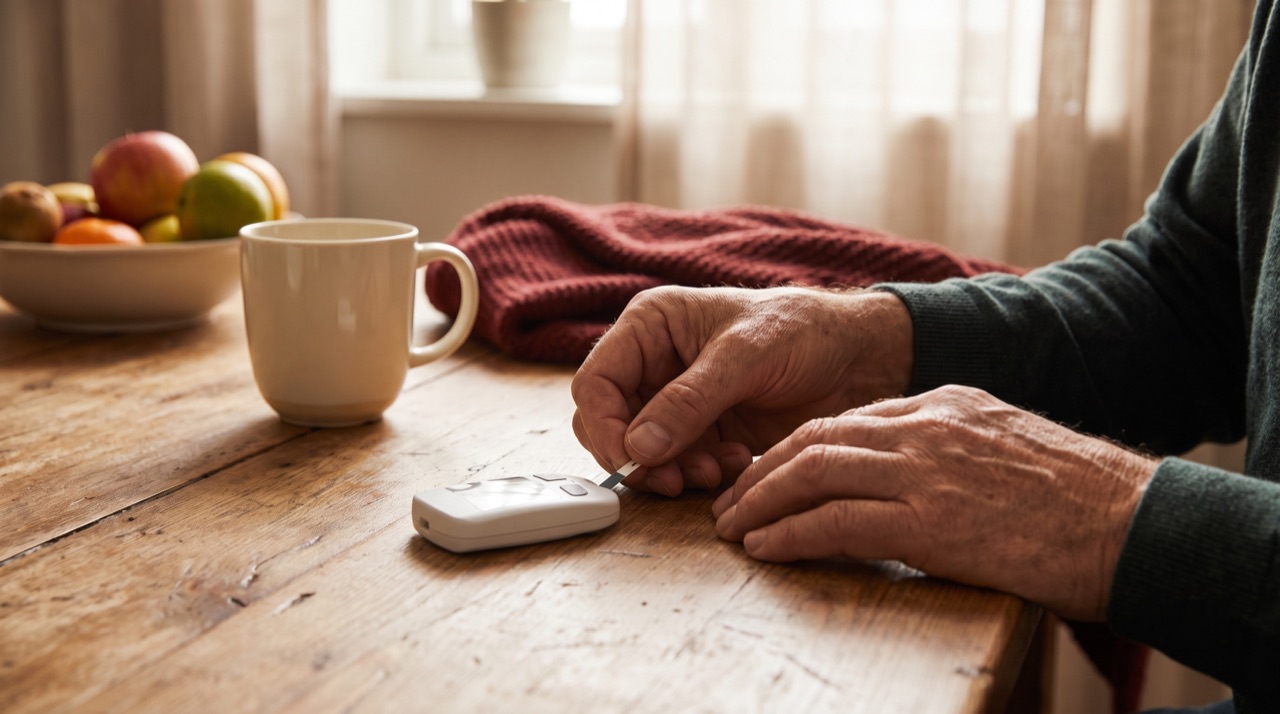
Insulin Resistance: How It Is Diagnosed and Treated
Insulin resistance develops years before prediabetes shows up on a standard glucose test. Here is how it is actually identified and managed.

Low Energy in Your 40s: When to Test Your Hormones
Low energy in your 40s has several common, treatable causes. Here is how to tell when hormone testing is actually the right next step.

Chronic Fatigue: How Functional Medicine Investigates It Differently
Fatigue that persists after normal labs is not automatically unexplainable. It usually means the workup needs to go broader, not stop.

Managing Anxiety: Evidence-Based Strategies That Help
Anxiety treatment works best when therapy, medication, and daily habits are used deliberately together, not as separate fallback options.

Preventive Screenings That Actually Matter in Your 30s and 40s
Screening recommendations shift as you move through your 30s and 40s. Here is what evidence actually supports at this stage, and what can wait.

Treating Acne: What Actually Works, by the Evidence
Most acne responds to a small set of well-studied treatments. Here is what has real evidence behind it, and what to try first.

Understanding Metabolic Syndrome and How It Is Managed
Metabolic syndrome is not one disease but a cluster of five risk factors. Knowing which of the five you have changes how it gets treated.

Building a Men's Health Baseline: The Labs That Actually Matter
A single normal physical does not rule out the hormonal and metabolic issues that show up first in men's labs. Here is what a real baseline covers.

Cold Plunge and Sauna: What the Research Says About Recovery
Sauna has surprisingly good long-term outcome data. Cold plunge helps soreness but can blunt muscle gains. Here is what the evidence supports and what it does not.

How SSRIs Work and What to Expect When Starting Them
The first six weeks on an SSRI are where most people quit. Here is what actually happens, when to expect improvement, and which side effects fade and which do not.

Understanding Your Blood Test Results: A Practical Guide
A flagged value is not a diagnosis. Here is how to read a standard blood panel, what the reference range actually means, and which abnormal results matter.

Semaglutide Side Effects: What Is Normal and What Is Not
Nausea, fullness, and constipation are expected on semaglutide. Severe pain, repeated vomiting, and vision changes are not. Here is how to tell them apart.

Gut Health and the Microbiome: Separating Fact From Hype
Fiber, probiotics, test kits, cleanses. Here is what the evidence actually supports for gut health, what it does not, and the symptoms that need a real workup.

Ketamine vs Esketamine (Spravato) for Depression: What Is the Difference?
IV ketamine and esketamine (Spravato) are close cousins, not the same treatment. Here is how they differ in delivery, rules, evidence, and cost.

Prediabetes: How It Is Detected and What You Can Do About It
Prediabetes affects roughly 1 in 3 US adults, and most do not know they have it. Here is how it is detected and what the evidence says you can do.

GLP-1 medications and mental health: what the neuropsychiatric evidence says about semaglutide and tirzepatide
New research links semaglutide and tirzepatide to changes in mood, cognition, and addiction. Here is what the evidence says -- and what we monitor.

Sleep Optimization: Evidence-Based Habits That Actually Work
A clinician's honest guide to better sleep -- what the evidence supports, what to ignore, and when snoring or daytime sleepiness means it is time to test.

Novel approaches in depression treatment: from rapid-acting antidepressants to personalized interventions
Depression treatment is shifting fast. Dr. Jezwah Harris breaks down what the evidence says about ketamine, esketamine, psychedelic-assisted therapy, and precision psychiatry.
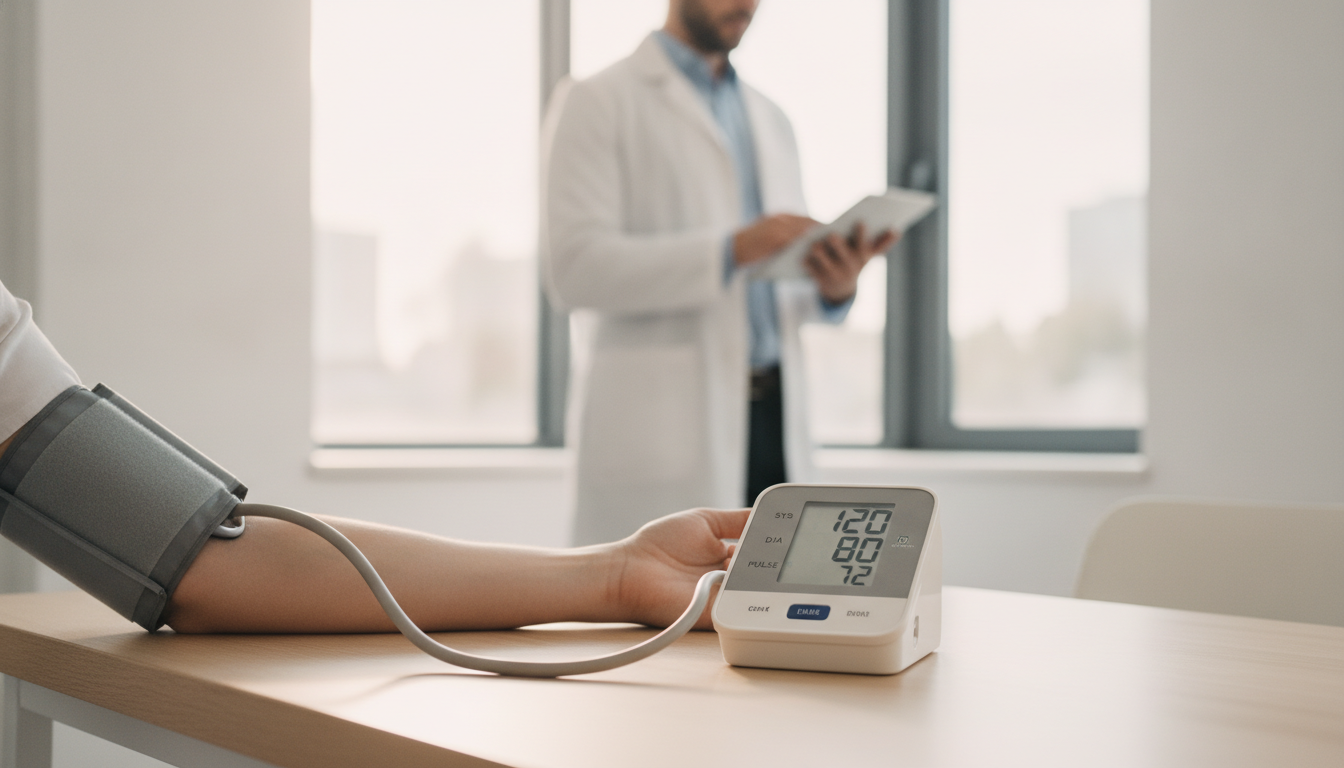
Understanding Your Blood Pressure Numbers and What to Do About Them
What the two numbers mean, which category you fall into, how to measure correctly at home, and when the answer is lifestyle versus medication.
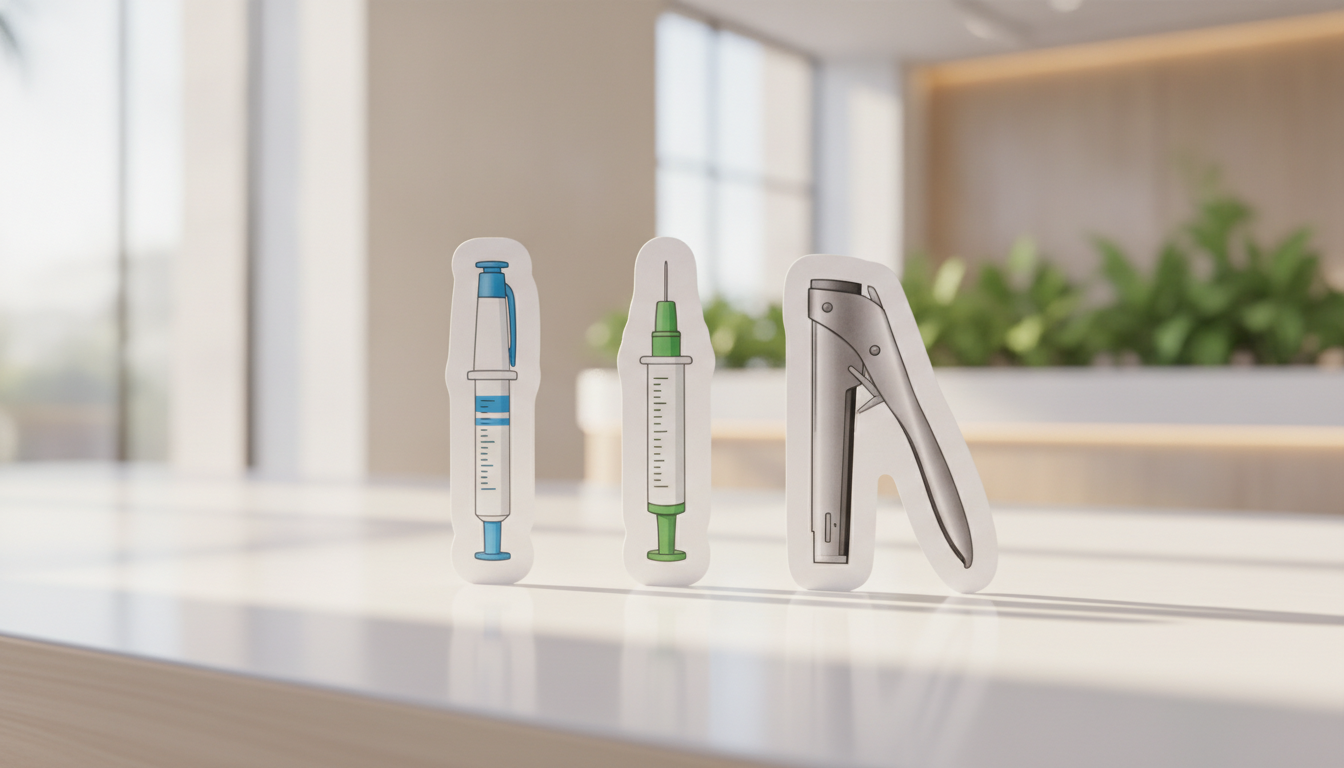
Semaglutide, tirzepatide, or sleeve gastrectomy: what 1-year data actually show for type 2 diabetes and obesity
A 2025 retrospective cohort study compared all three options head-to-head. Here is what the numbers mean for you and how we think about the choice.
Anti-Inflammatory Eating: What the Evidence Actually Supports
The anti-inflammatory diet has been oversold. Here is what the research actually supports, why single superfoods fall short, and where supplements fit.

At-home subcutaneous ketamine therapy: what the latest real-world evidence actually says
New observational data on telehealth-supported at-home ketamine for depression, anxiety, and PTSD -- what it shows, what it misses, and who it may help.

Are GLP-1 Weight Loss Drugs Worth the Cost? What the Evidence Shows
GLP-1 drugs like Wegovy and Zepbound can run over $1,000 a month. Here is what the efficacy and cost-effectiveness evidence actually says about value.

Do You Need Supplements? How to Decide With Evidence
Most people with a decent diet do not need most supplements. Here is how to decide which ones are worth it, using testing and evidence instead of guesswork.

Ketamine-assisted psychotherapy for depression: what the evidence says now
KAP is not a magic reset. Here is what the clinical data shows, how sessions actually work, and who is -- and is not -- a good candidate.

Multisystemic inflammation and fulminant myocarditis: what the evidence says about non-COVID causes
Fulminant myocarditis can strike without a COVID diagnosis. We break down the triggers, warning signs, and what a thorough workup looks like.

Dose-response and clinical equivalence of semaglutide and tirzepatide for weight loss: what the modeling data mean for you
New pharmacokinetic modeling shows how semaglutide and tirzepatide doses stack up for weight loss in type 2 diabetes -- and what that means in clinical practice.

Magnesium, Vitamin D, and B12: The Supplements Worth Testing
Most supplements do little unless you are truly low. Here is when magnesium, vitamin D, and B12 actually help, and why testing comes before the pill.

Ketamine therapy and the developing brain: what the animal data means for adult patients
New rat studies raise questions about age-related neurotoxicity with ketamine. Here is what the evidence actually says for adult patients considering ketamine therapy.
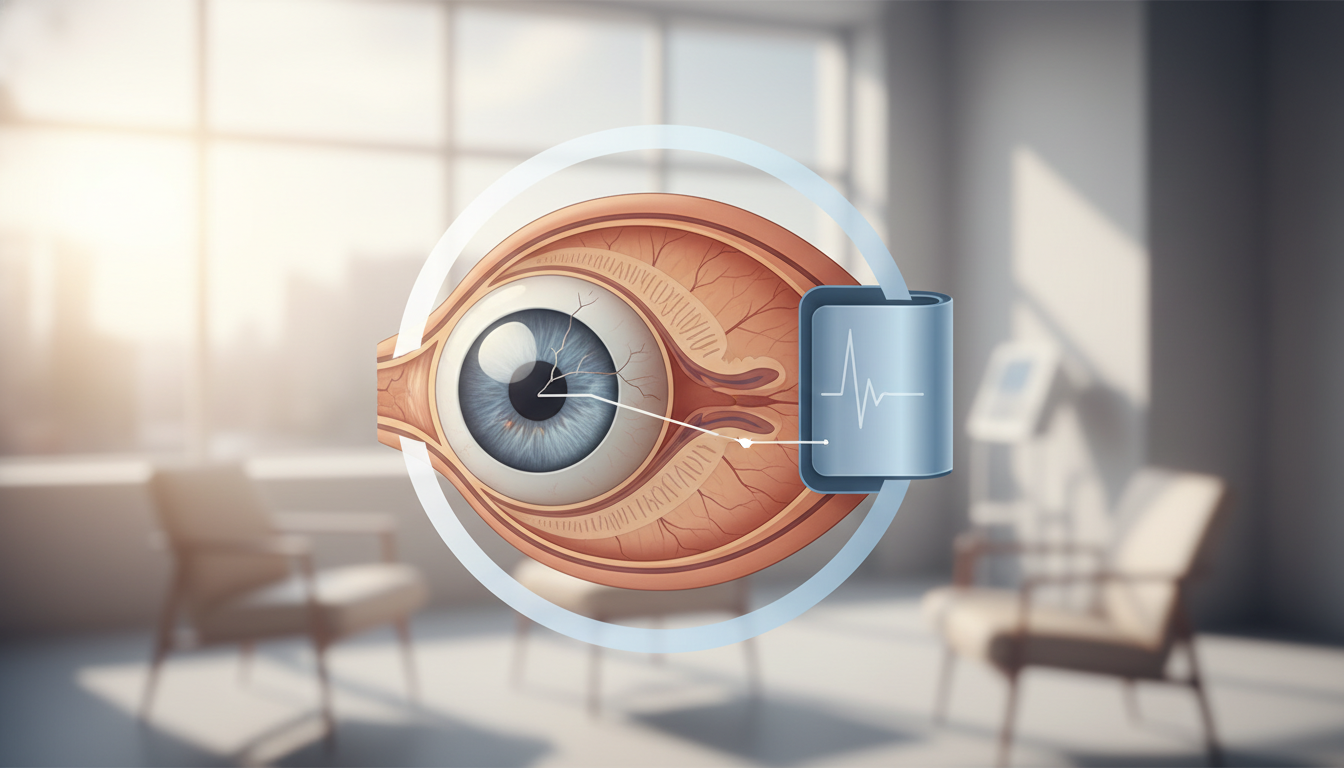
Understanding Inflammation Markers Like CRP on Your Lab Results
A mildly high CRP is common and usually nonspecific. Here is what CRP, hs-CRP, and ESR actually measure, what raises them, and when a result matters.

GLP-1 medications and heart health: what the cardiovascular evidence actually shows
GLP-1 receptor agonists do more than lower blood sugar. Here is what large cardiovascular outcome trials and a 2025 network meta-analysis show about heart risk.

NAD+ precursors and exercise in Friedreich's ataxia -- what a landmark RCT means for everyday functional medicine
A 2025 RCT tested NAD+ precursor supplementation and individualised exercise in Friedreich's ataxia. Here is what the findings mean for you.

Peptide Therapy: BPC-157, CJC-1295, and Ipamorelin -- What the Evidence Actually Says
An honest, evidence-based look at the three most-talked-about peptides in functional medicine. What human research shows, what is still mouse data, and how to think about safety.

How to Break a GLP-1 Weight Loss Plateau: An Evidence-Based Playbook
Stalled on Wegovy or Zepbound? A clinician's guide to why GLP-1 plateaus happen, what the data actually says, and the moves that get the scale moving again.

ADHD Evaluation and Treatment for Adults: A Practical Guide
How adult ADHD is actually diagnosed, what treatment looks like beyond stimulants, and why so many adults (especially women) get missed for decades.
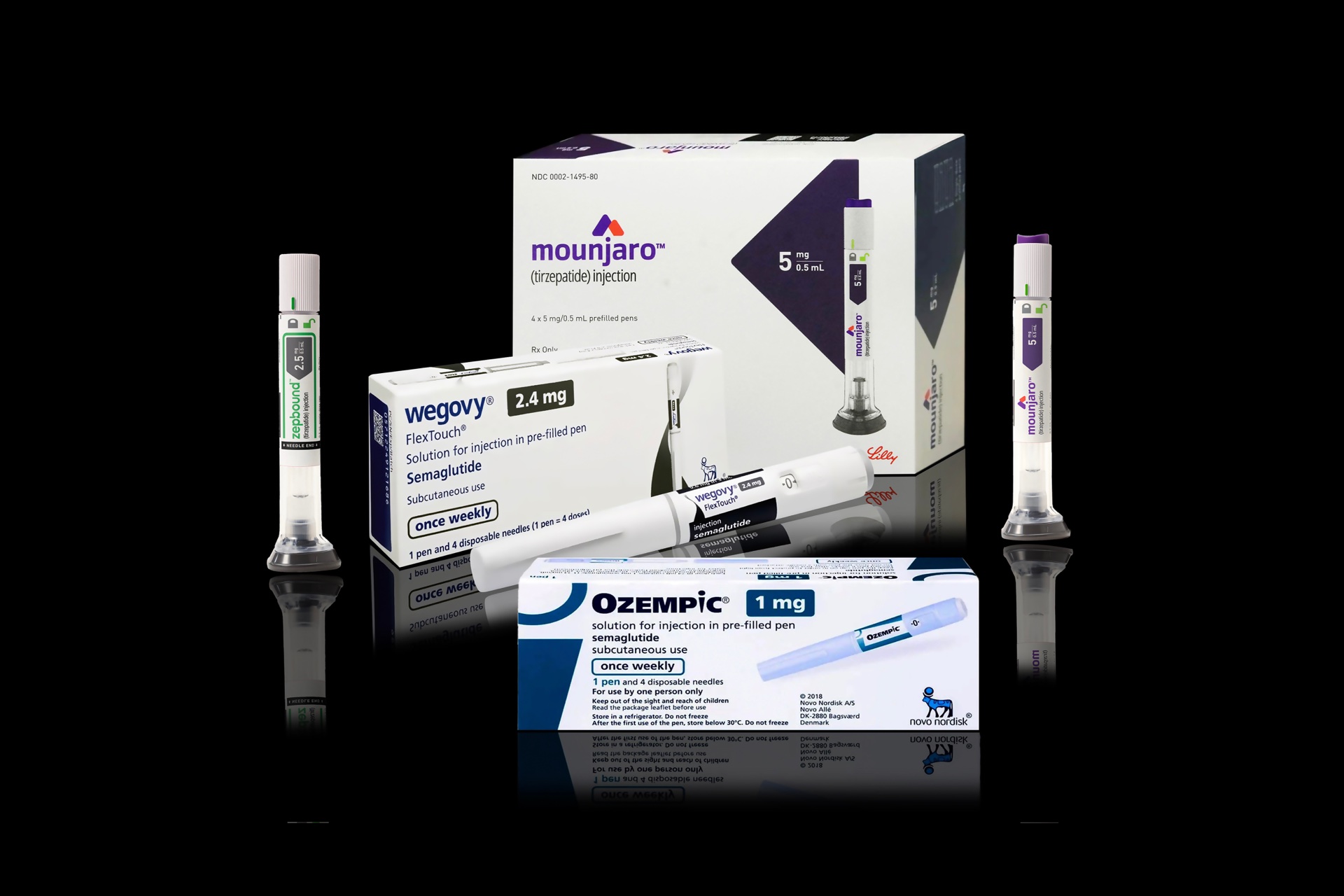
Semaglutide vs. Tirzepatide: Which Weight Loss Medication Is Right for You?
Wegovy or Zepbound? We compare semaglutide and tirzepatide head-to-head on weight loss, side effects, cost, and who should pick which one.

Hypertension Treatment Options in 2026: A Modern Guide
Updated 2026 guide to high blood pressure treatment: 2025 AHA/ACC targets, lifestyle that actually moves the needle, first-line drugs, resistant cases, and what to expect.

Perimenopause Symptoms and HRT, Explained: A Clinician's Guide for Women 40 to 55
Hot flashes, sleep loss, brain fog, weight gain, mood swings. A practical, evidence-based look at what perimenopause actually is and what hormone therapy can and can't do.

NAD+ Therapy: The Science Behind Cellular Rejuvenation
What NAD+ actually does, what the human research shows, and how IV vs oral precursors like NMN and NR compare. Honest, evidence-based answers.
Ketamine Therapy for Depression: What to Expect
An honest look at ketamine for treatment-resistant depression: how it works, response rates, side effects, cost, and who actually benefits.

Medical Weight Loss vs. Fad Diets: Why Evidence-Based Approaches Win
Why fad diets keep failing and how a structured medical weight loss program uses labs, behavior coaching, and clinician oversight to make results stick.

IV Vitamin Therapy: What It Actually Helps With, and What It Doesn't
An honest look at IV vitamin drips, the Myers cocktail, and high-dose vitamin C. What the human evidence shows, where the placebo response lives, and when an IV is worth your money.

Why You Need an Annual Physical Even When You Feel Fine
Feeling fine is not the same as being well. A clear, evidence-based look at what an annual physical actually catches, what to ask for, and what concierge care changes.